
Eternity: Understanding the weight of the word - a film review
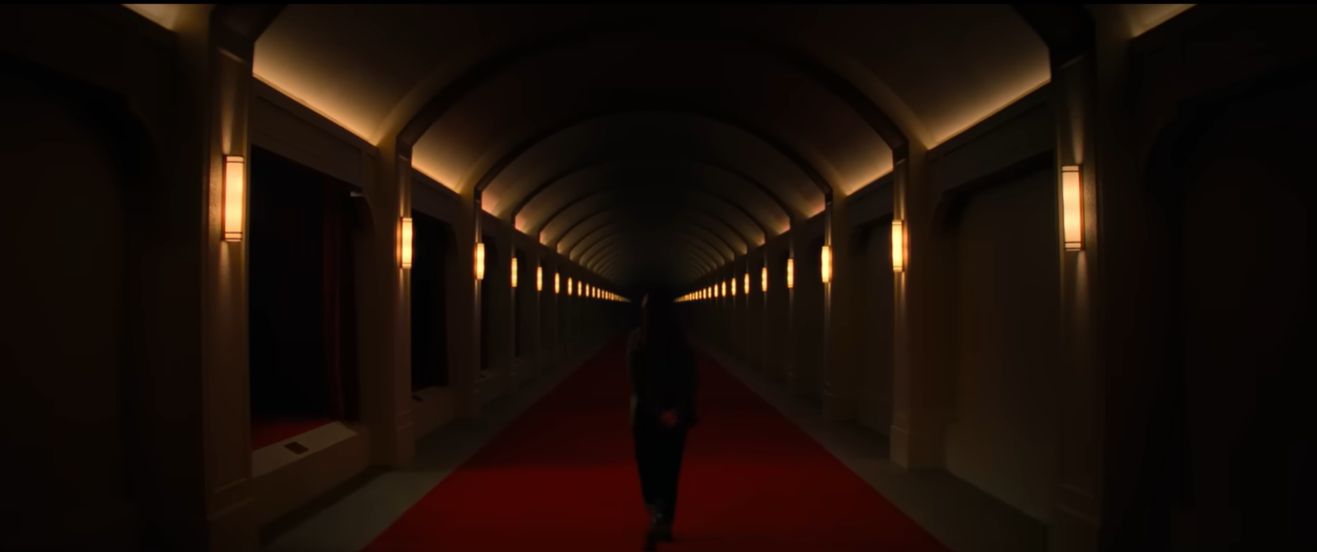
Film still from Eternity (2025)
Disclaimer: This article contains spoilers!
Eternity is a film co-written by Pat Cunnane and David Fryne (director). The romantic comedy (or romantic dramady as some may call it) centres on Joan (played by Elizabeth Orsen), a woman who has recently died and has to choose who she would like to spend eternity with: either Luke (Callum Turner) – her first husband who died early during the Korean War, or Larry (Miles Teller) – her second (or ‘current’) husband who recently passed away from a small accident.
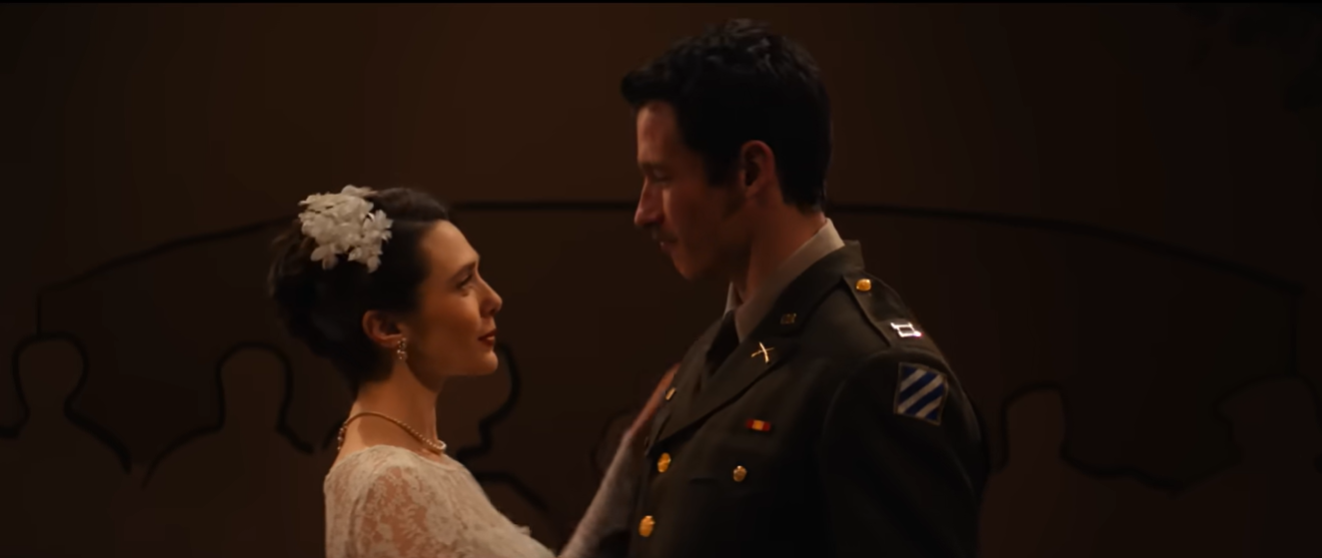
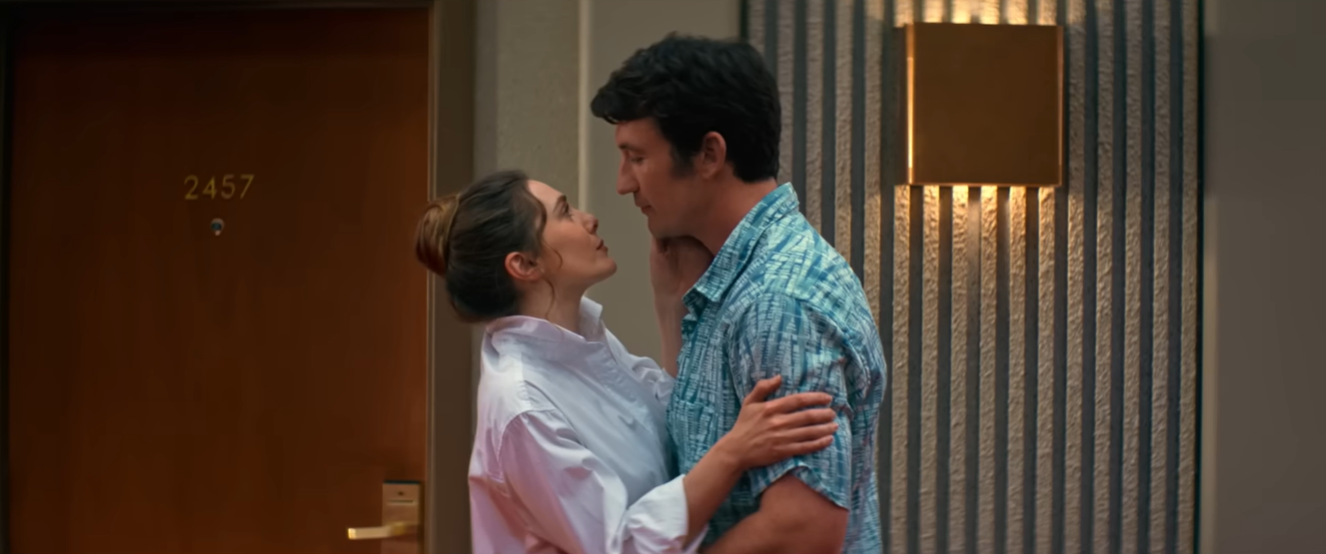
There is a lot to like in the film (for myself at least). The pacing, script writing and editing of the film has lovely changes between scenes. The biggest impact the film had on me was the noticeable colour change between earth and the junction. Eternity opens with Larry and Joan as a bickering elderly couple driving to their children’s gender reveal party. The first impression sets a mundane muted scene, and it is only when Larry dies that we notice a distinct colour shift of deep and moody warm tones (I’m willing to bet that the remainder of the film was shot on Kodak film).
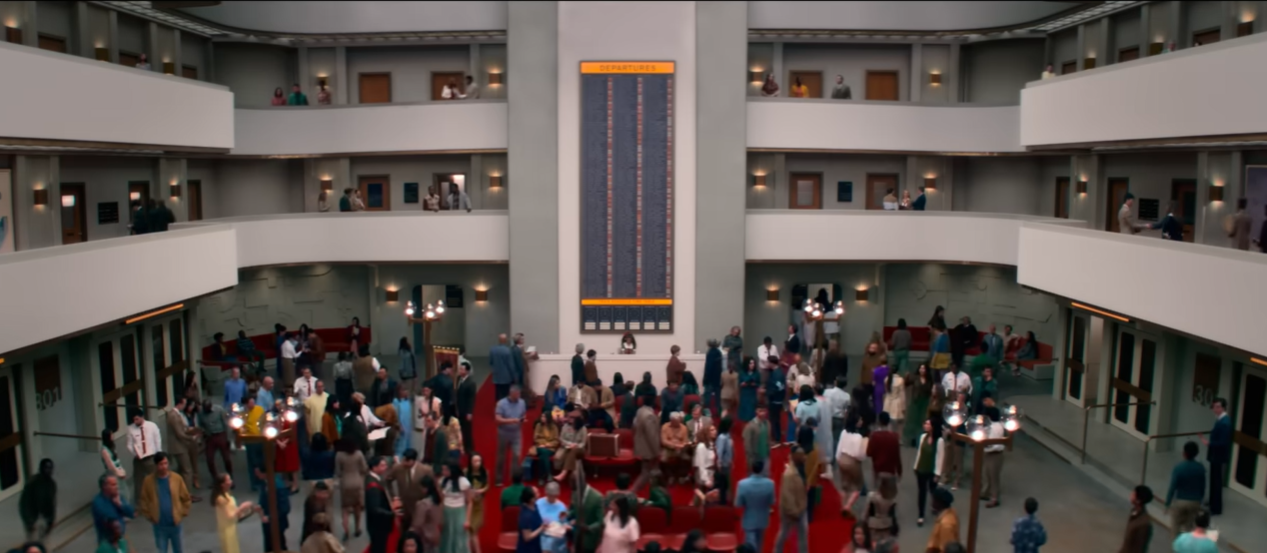
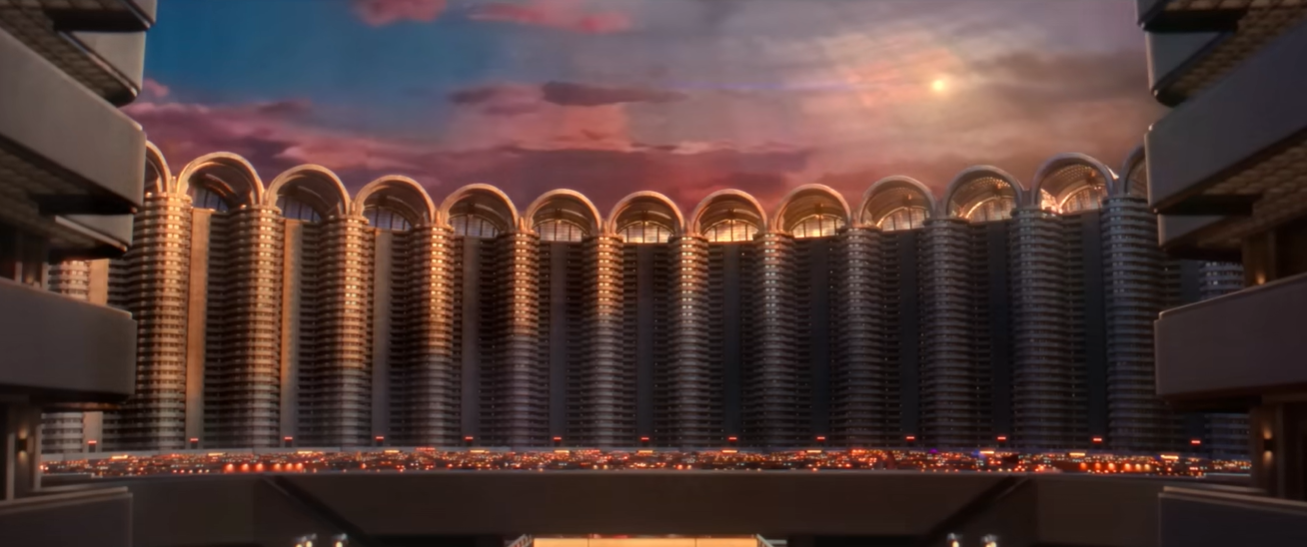
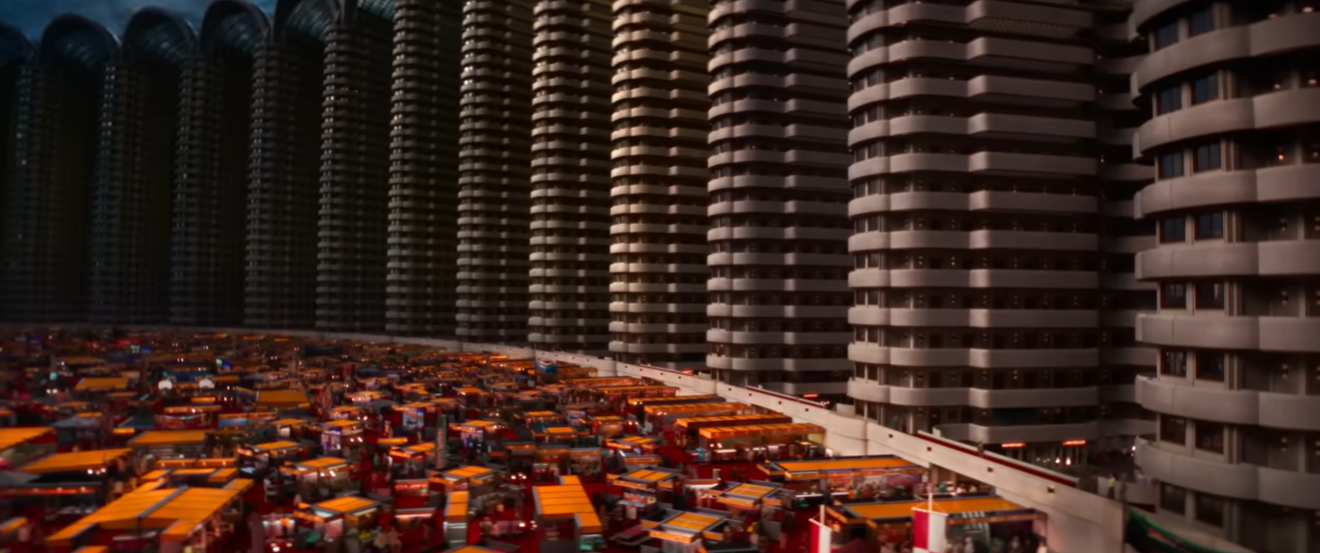
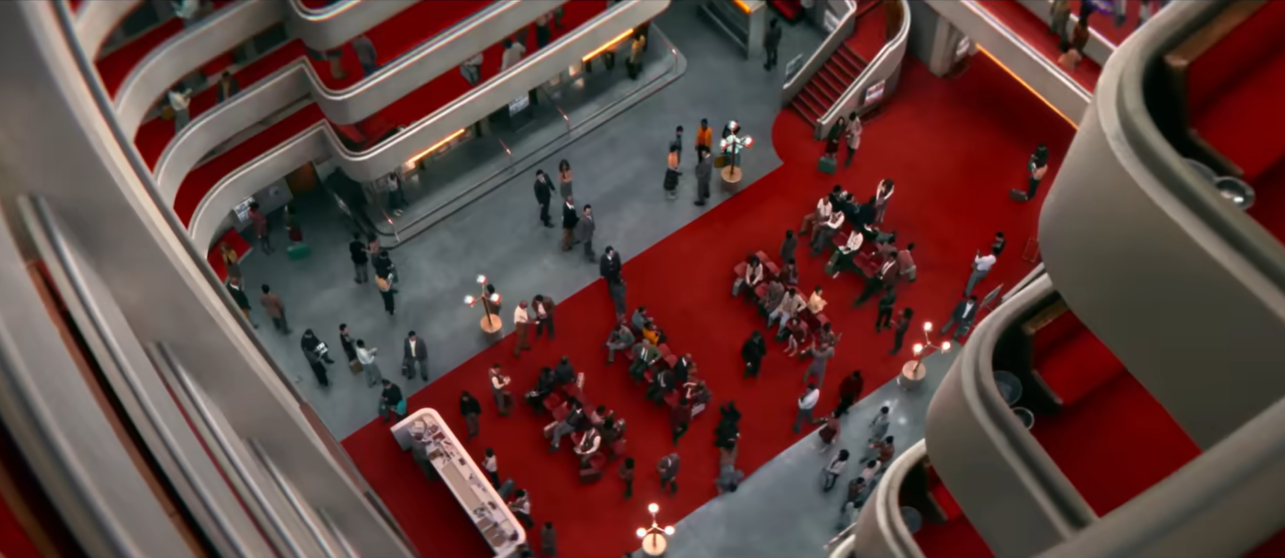
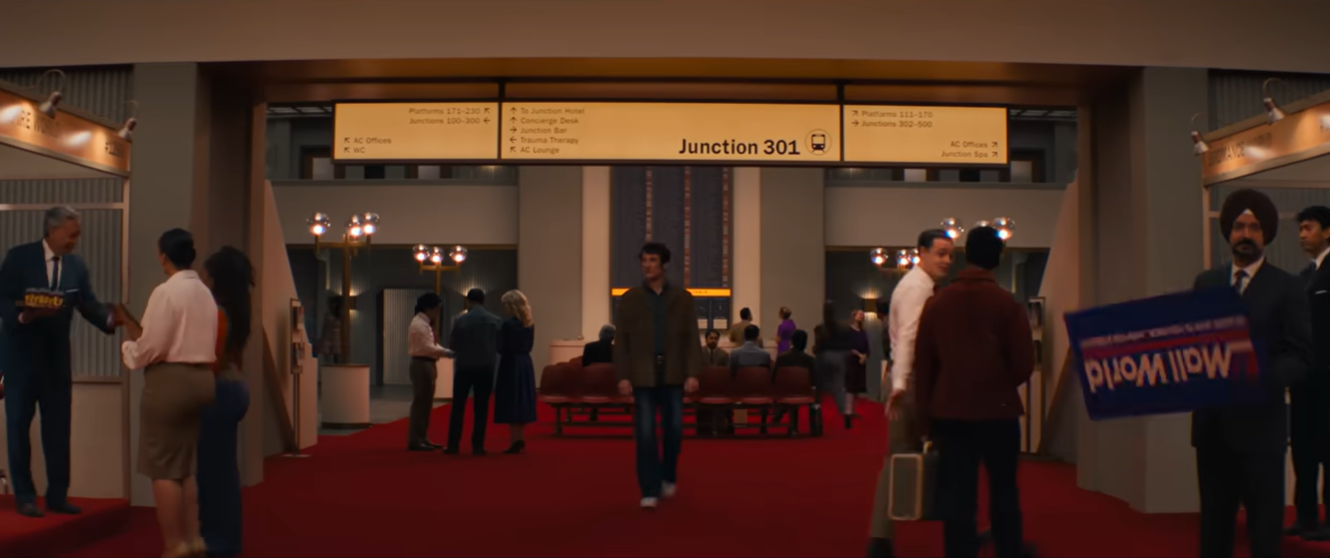
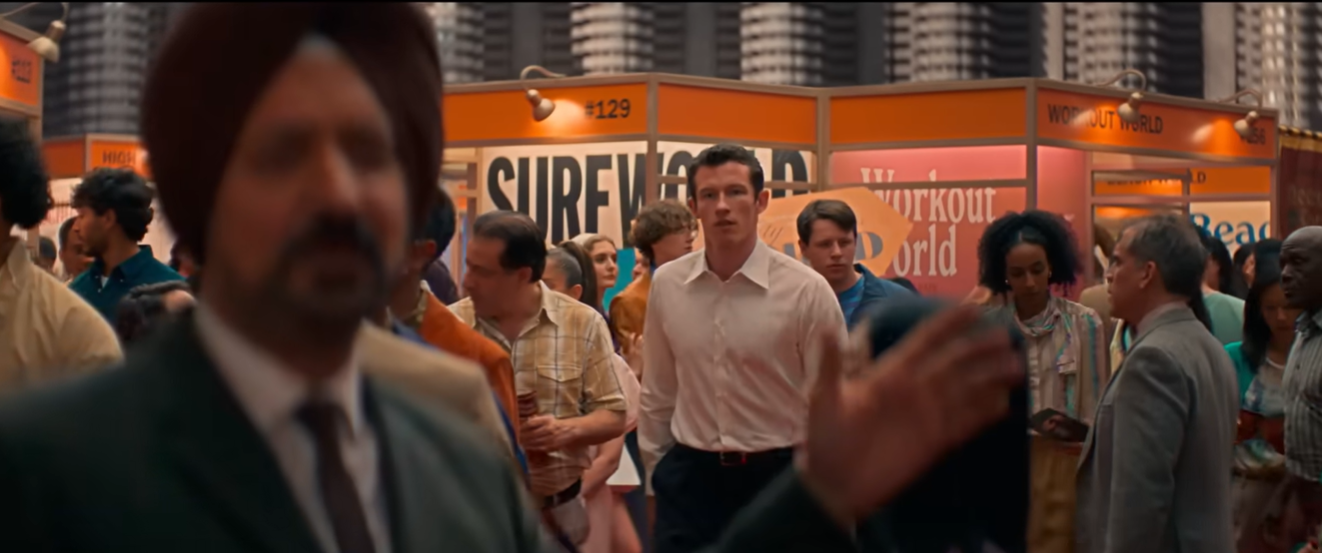
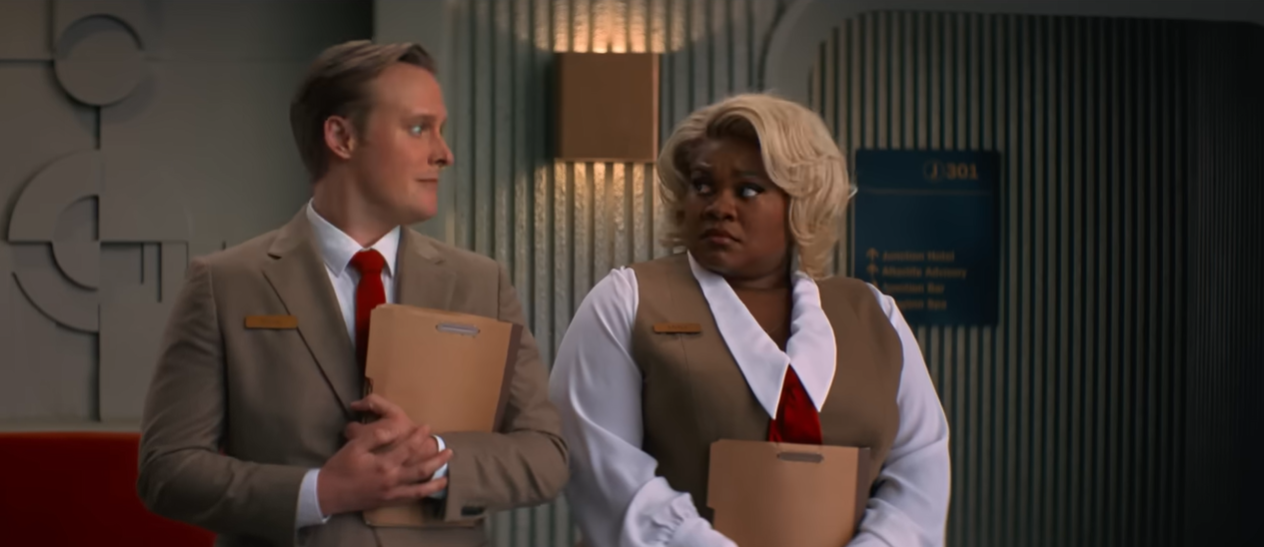
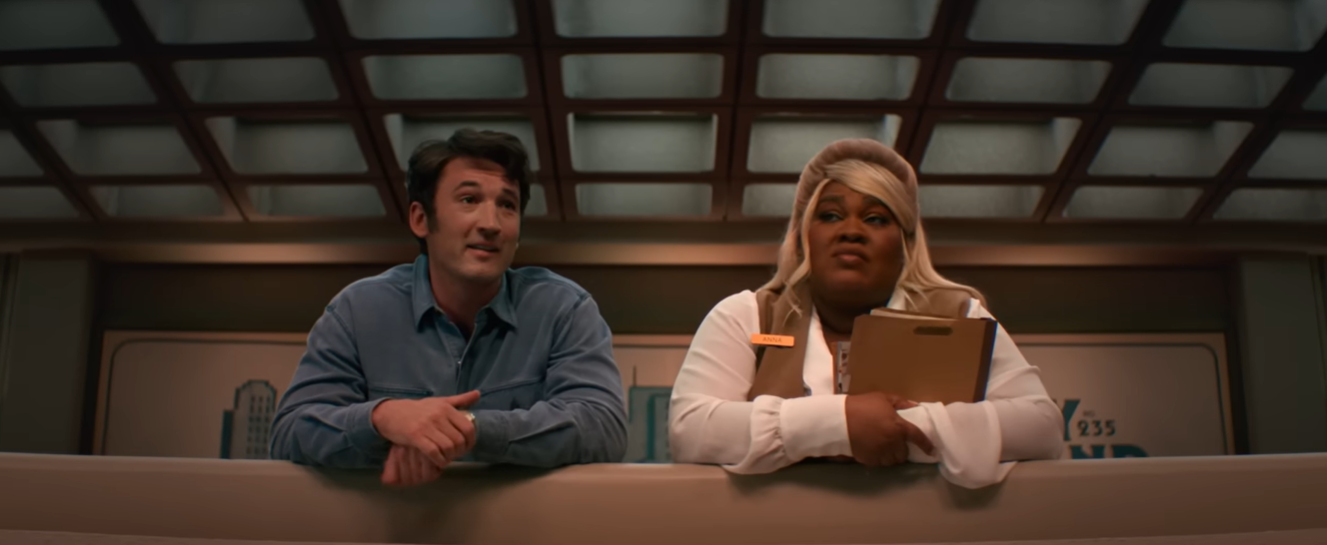
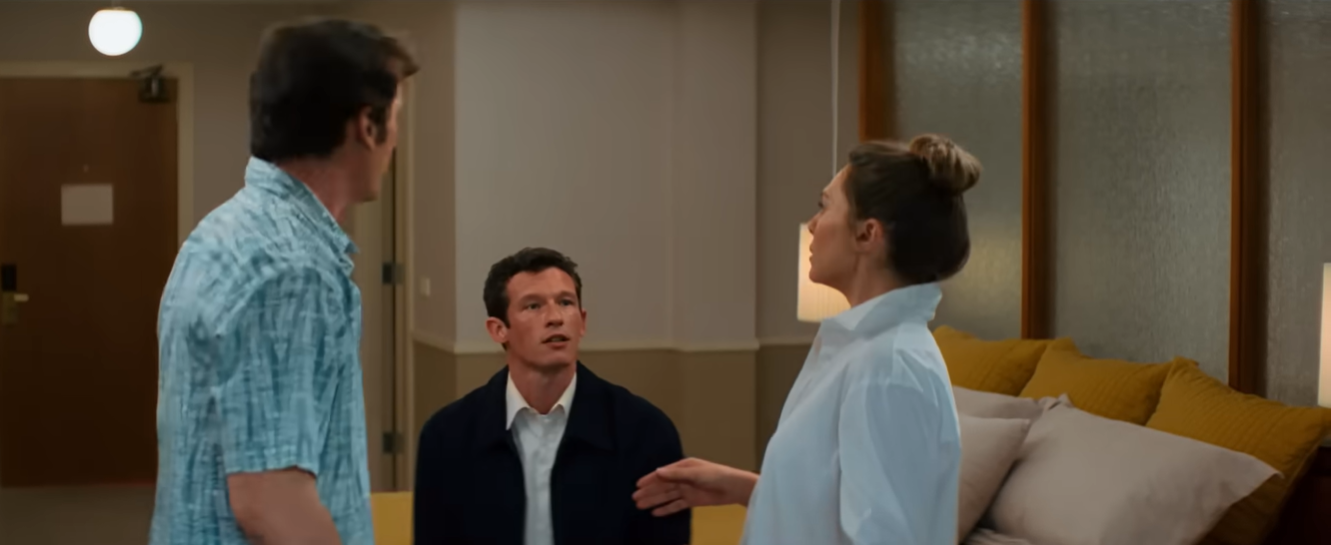
The world of Eternity is set across several realms: earth (in which we exist in), the junction and multiple eternities, all distinguishable by their set design, colour grading and population. The film mostly focuses on The ‘junction’, known as the in-between of earth and eternity is characterised by mid-century-modernism-futuristic architecture. Within this space, the junction is stitched by a boarder of identical art deco high rises. Dark stained furniture with orange and brown upholstery are placed as supporting pieces for ambience. Whether it is intentional or not, everything in the junction feels very staged and dystopian even. The exhibition hall displaying various eternities (got to love the one where no men can exist is sold out and require more plots) carry a world expo feeling., It doesn’t go unnoticed also, that the afterlife coordinators (Olga Merediz and John Early) and other staff members who work in the junction are dressed in the 60’s attire.
Perhaps the antique vibe exudes from Eternity is a capture of how the three protagonists felt during their experience in the junction. Given that Joan, Larry and Luke all existed around that era (given that their hair, makeup and costuming reflected this). The contrast between the Junction and Eternity is apparent. When Joan was given a preview of Luke and Larry’s preferred eternity, the backdrop and setting becomes clearer and crisper. Luke’s eternity being a cabin in the mountains and Larry’s being the warmth of a beach reveals the layers of each men, simultaneously functioning as the main driver in emphasising Joan’s relationship with her husbands.
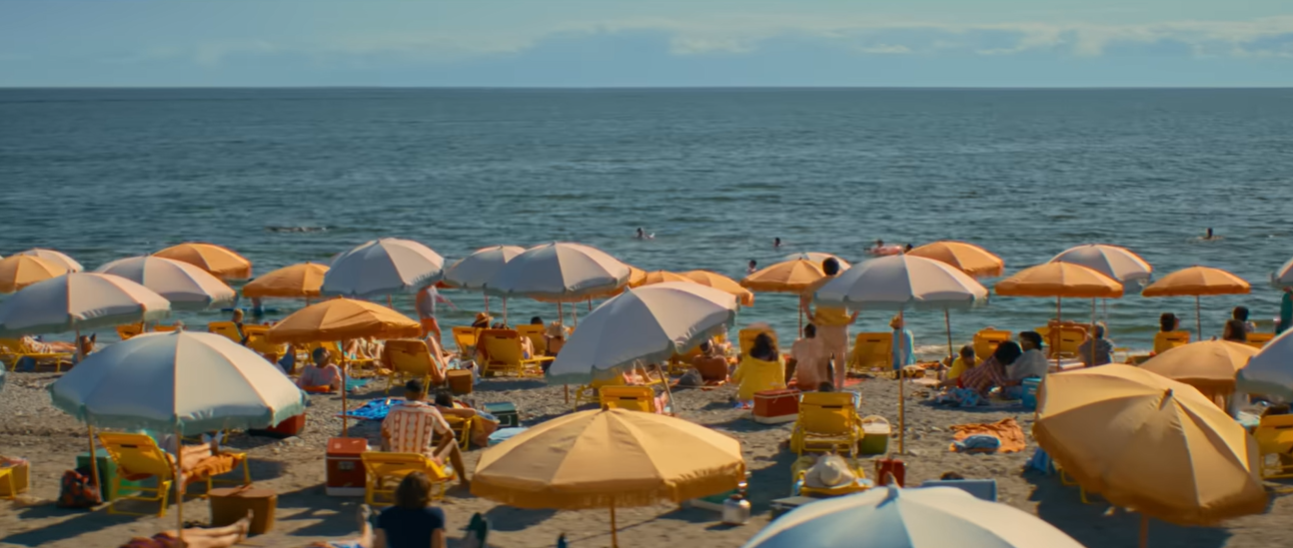
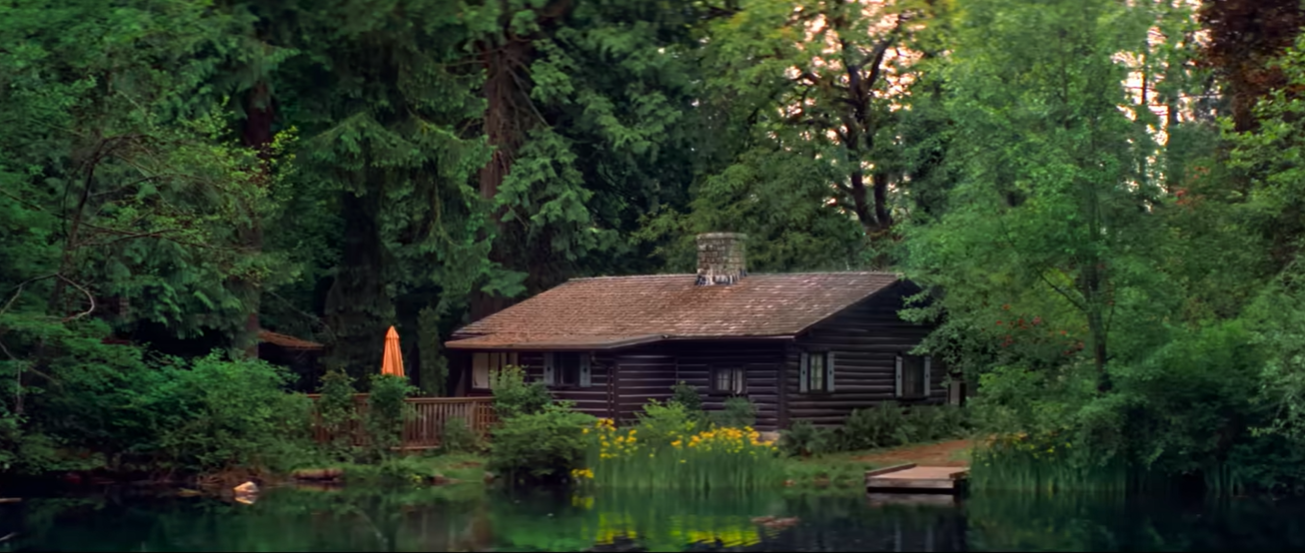

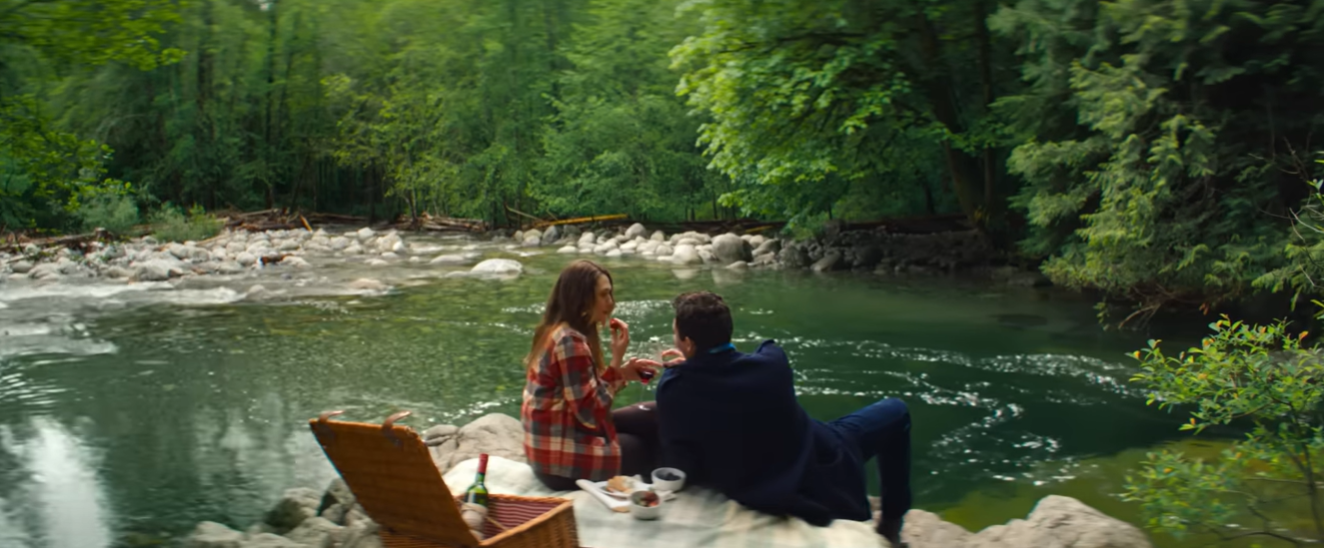
The dialogue and scriptwriting for Eternity was an enjoyable listen. Though the film’s premise rode on who would Joan choose, subtle hints from the dialogue between Joan and her husbands are revealed through their conversations. How Joan interacts with both of her husbands is a reflection of time spent together on earth. There is a bit of awkwardness between Joan and Luke – with their interaction akin to a first-love scenario, while her banter with Larry is synonymous with our preview of their earthly time together. The time spent together, and Larry’s despair when he first found himself at the Junction and love for Joan has been the most moving for me – and one I hope to experience when I’m with someone also.
It shouldn’t go unnoticed that the writers intentionally applies synonyms of eternity in a conversation, and it is only when addressed the actual destination that Eternity is formally used. There’s a level of hyperbole whenever the word ‘forever’ is added to a duration, whether it is for laughs or for emphasising an annoyance or patience, the weight of the word isn’t as palpable until it is replaced with ‘eternity’. In this case, Olsen’s performance on carrying the weight of eternity was a thread that stitched the heightened tension carried through the narrative.
Despite the film plays heavily on the love triangle trope, I felt Eternity carries the weight and meaning of love that Materialists was trying to achieve. I felt Luke and Larry’s response to Joan’s decision reflects on the layers of romantic love. Alternatively, Joan’s actions towards love is representative of loving life. Eternity certainly has given me a few laughs and tears – and invited me to ponder what is my form of eternity. As a child, I drew a scene of a hidden beach. Lately it has evolved into a forest glade, yet after the film’s ending, my vision of eternity has drawn a blank. Would I like the one which Joan has chosen in the end? Or would I rather an eternity reflective of a place I enjoy calling home?
Because there is a lot of pressure when you are placed with a decision that will last for eternity, literally.
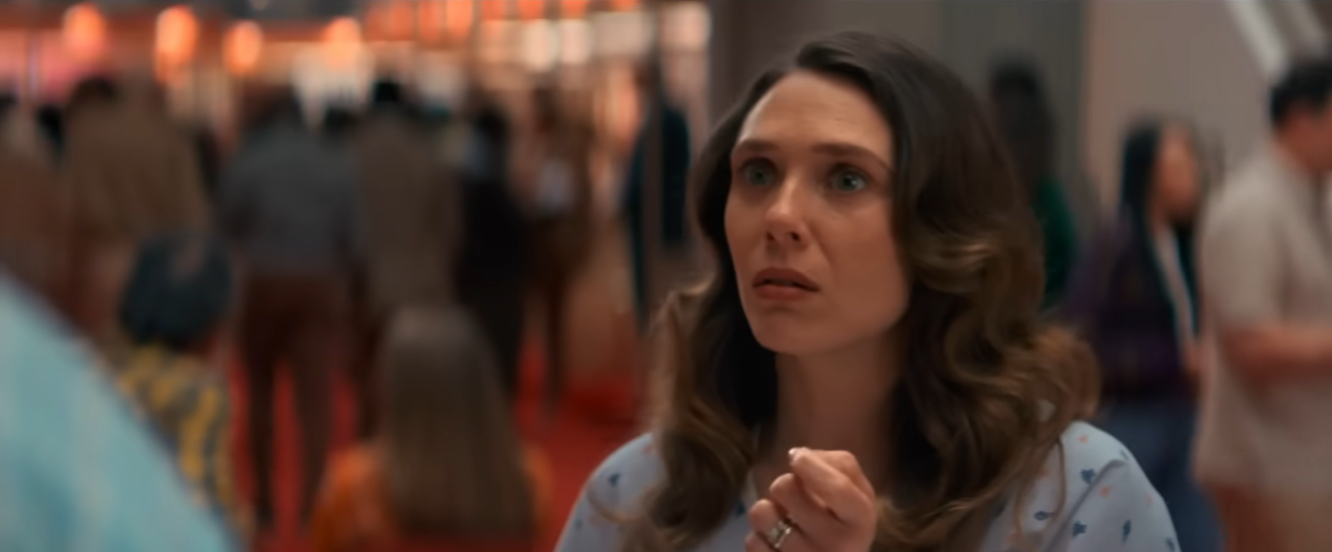
Still from Eternity (2025)
Images and information sourced from:
A24, “Eternity| Official Trailer HD | A24”. YouTube. Published accessed 28 December 2025, https://www.youtube.com/watch?v=irXTps1REHU